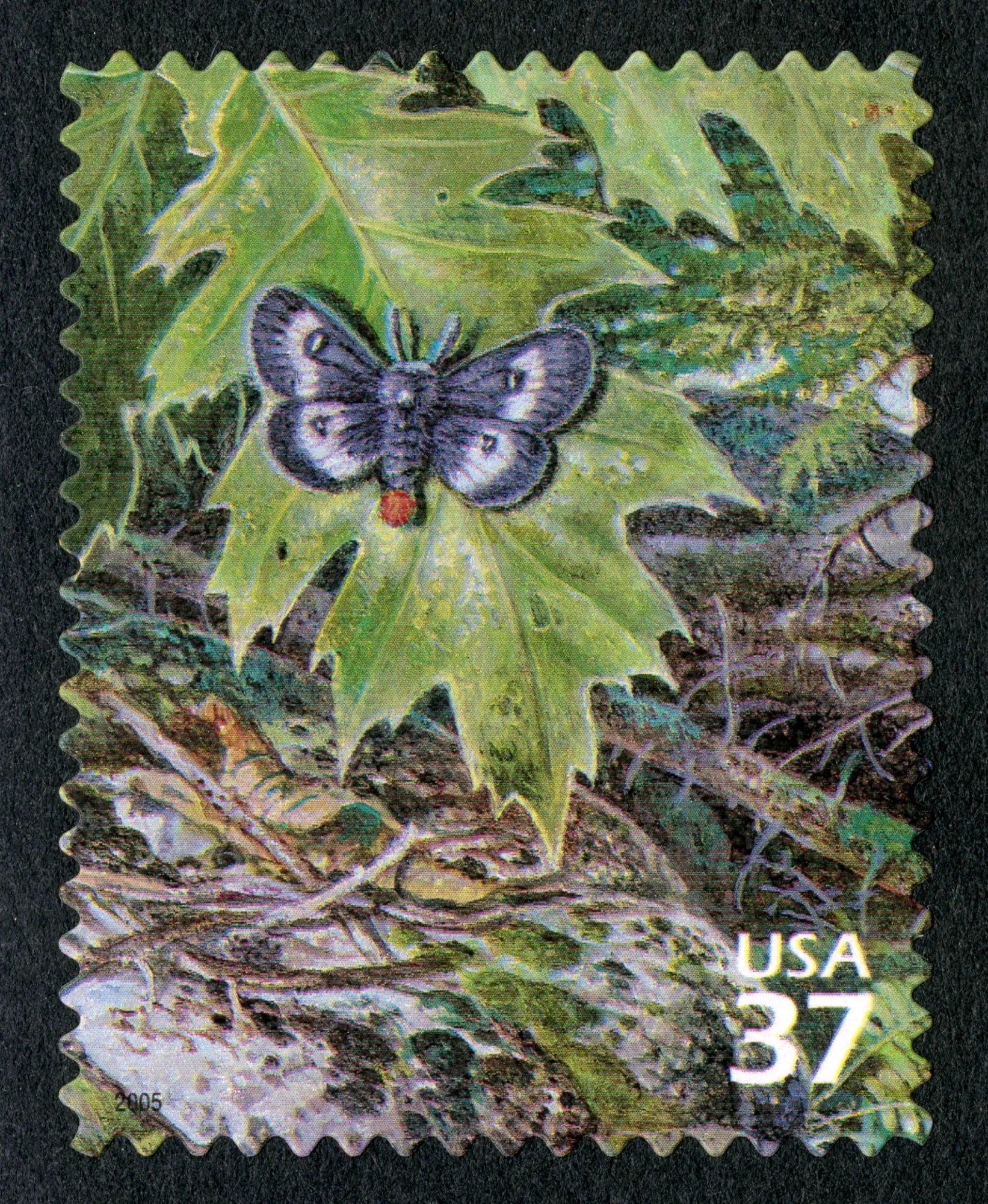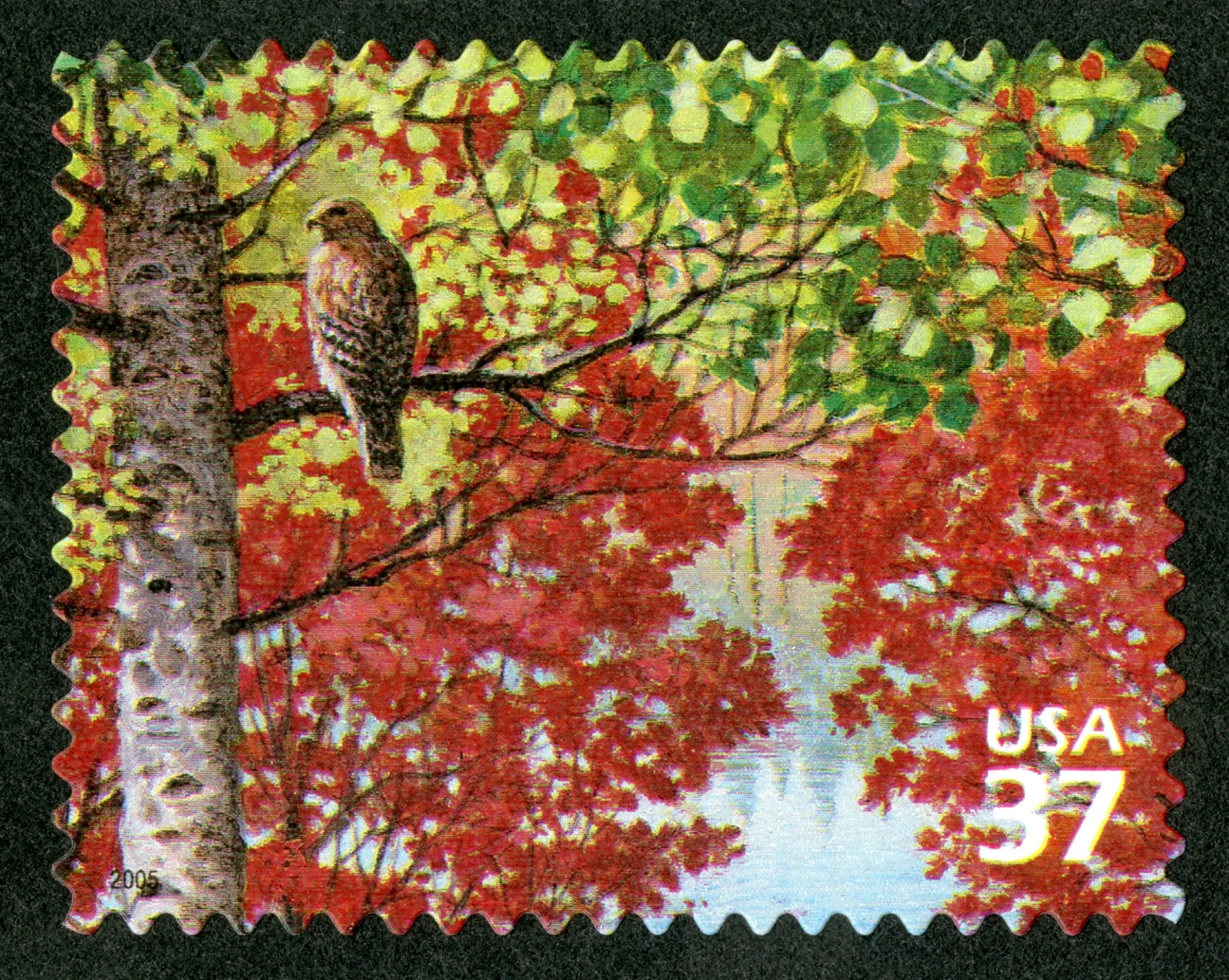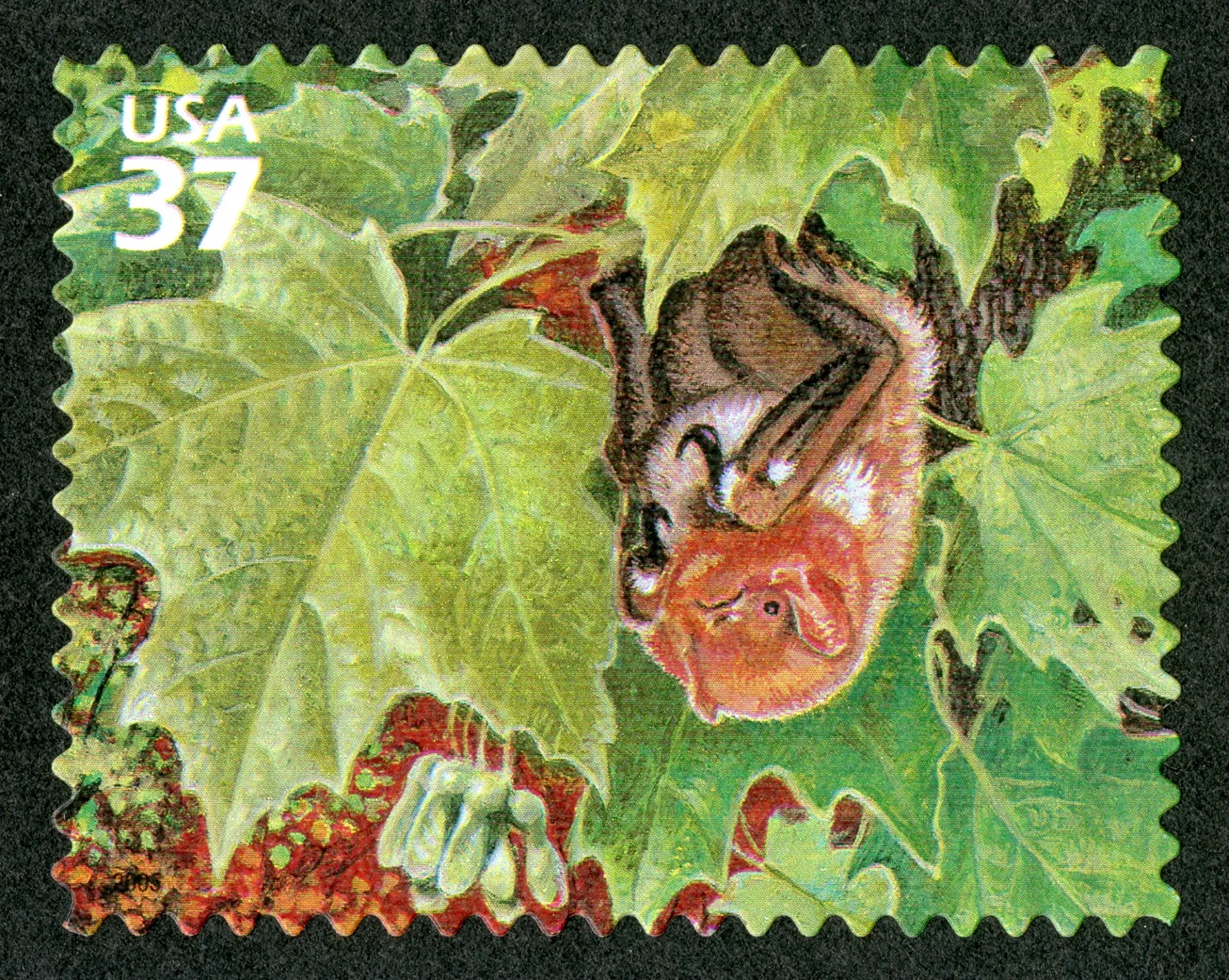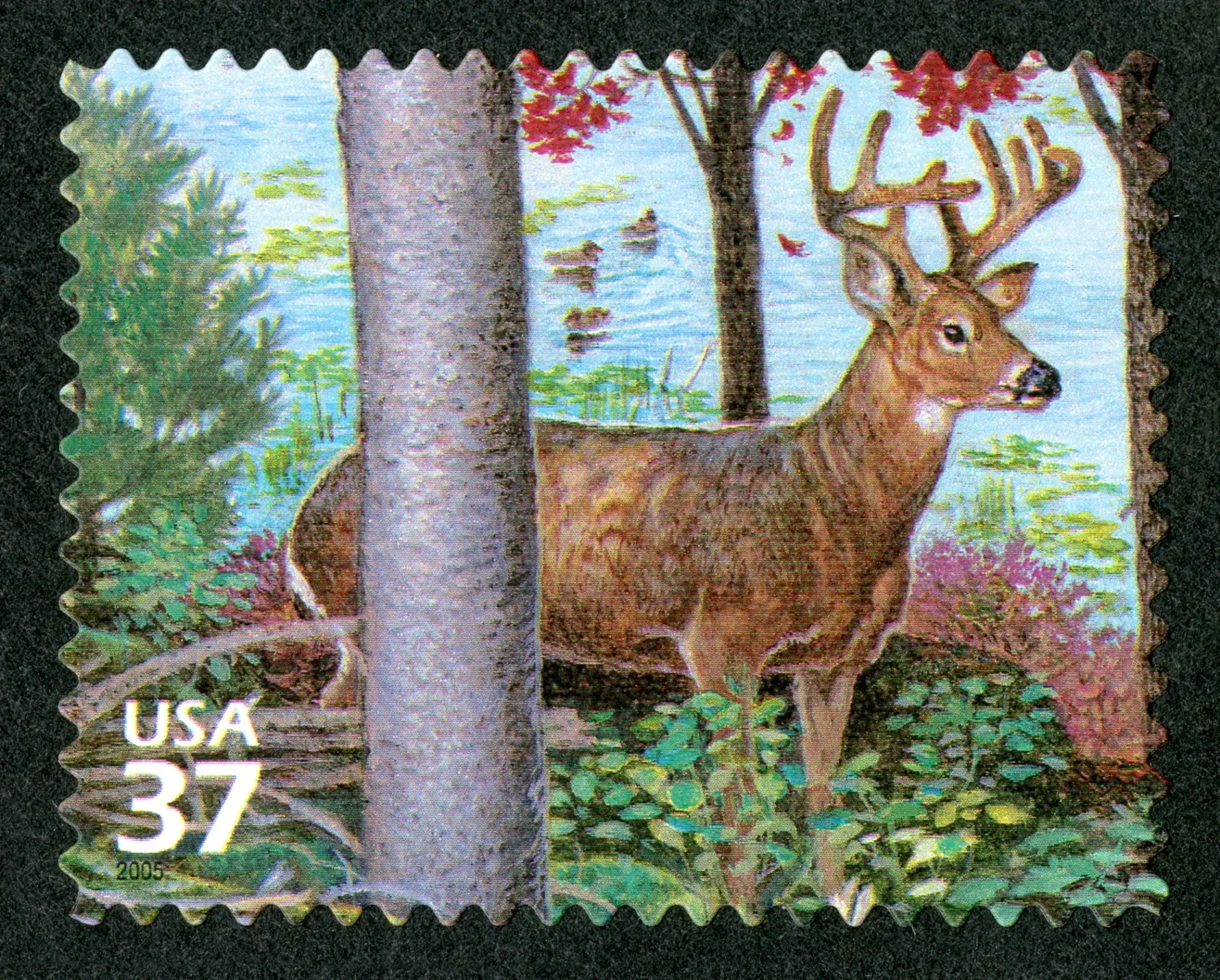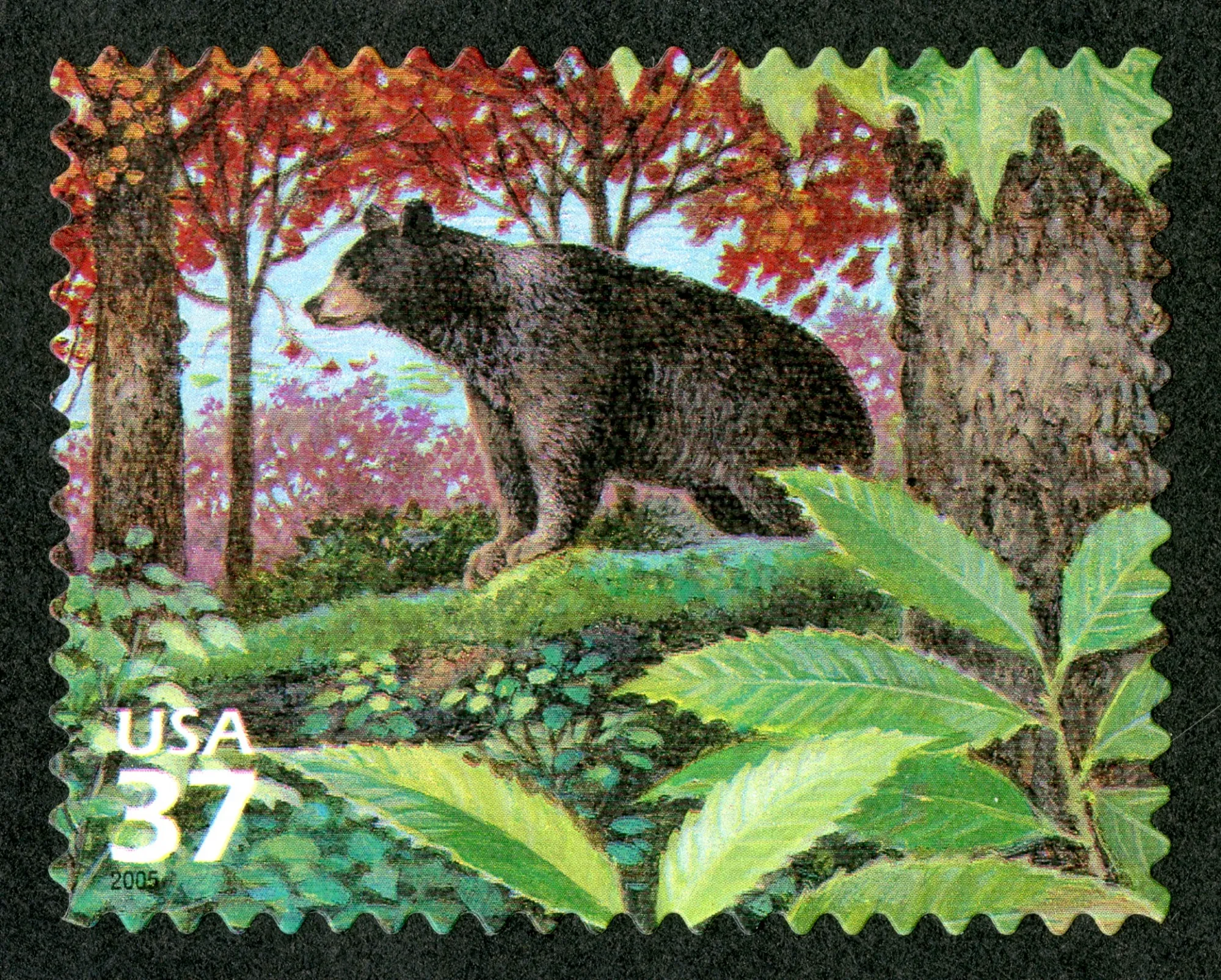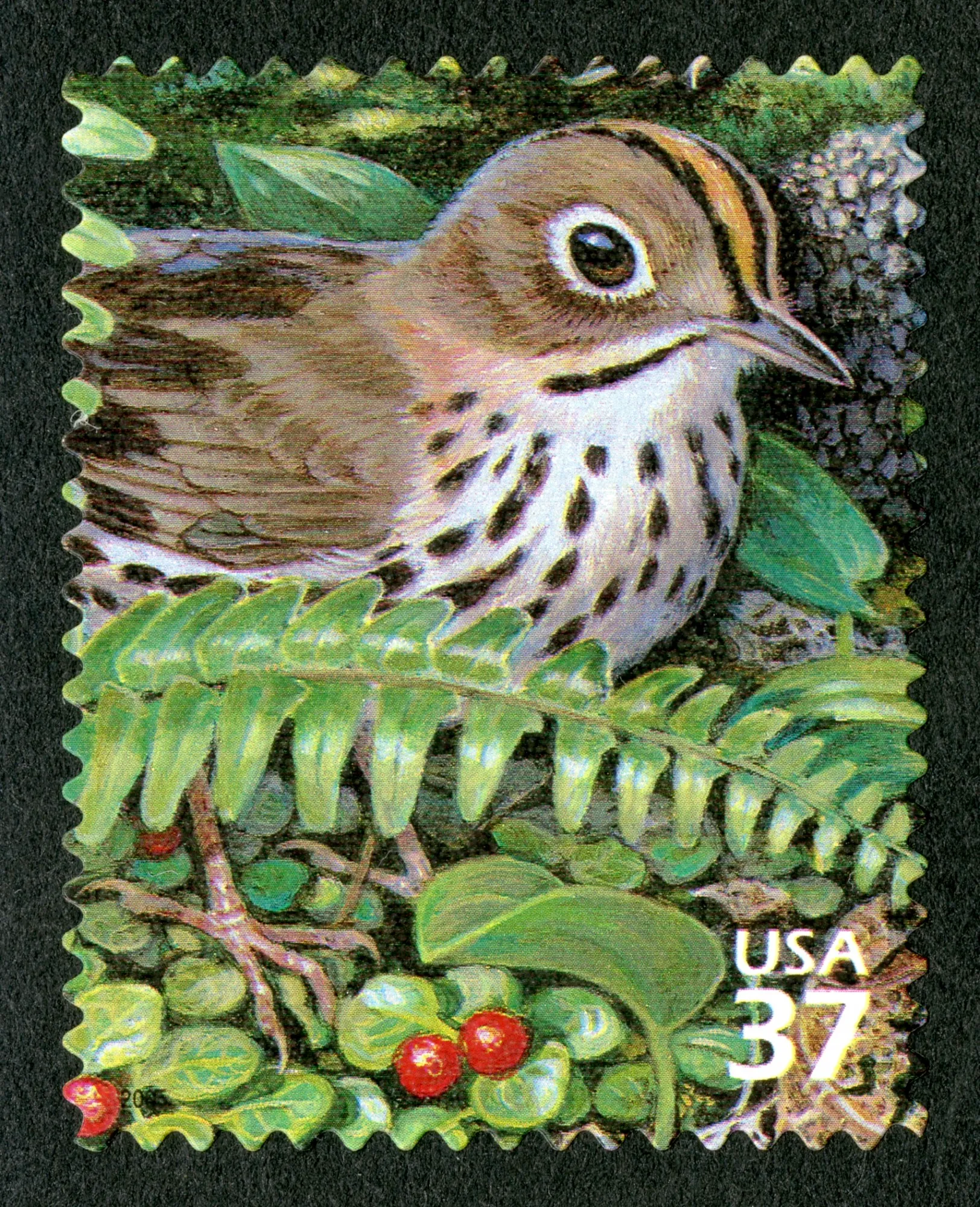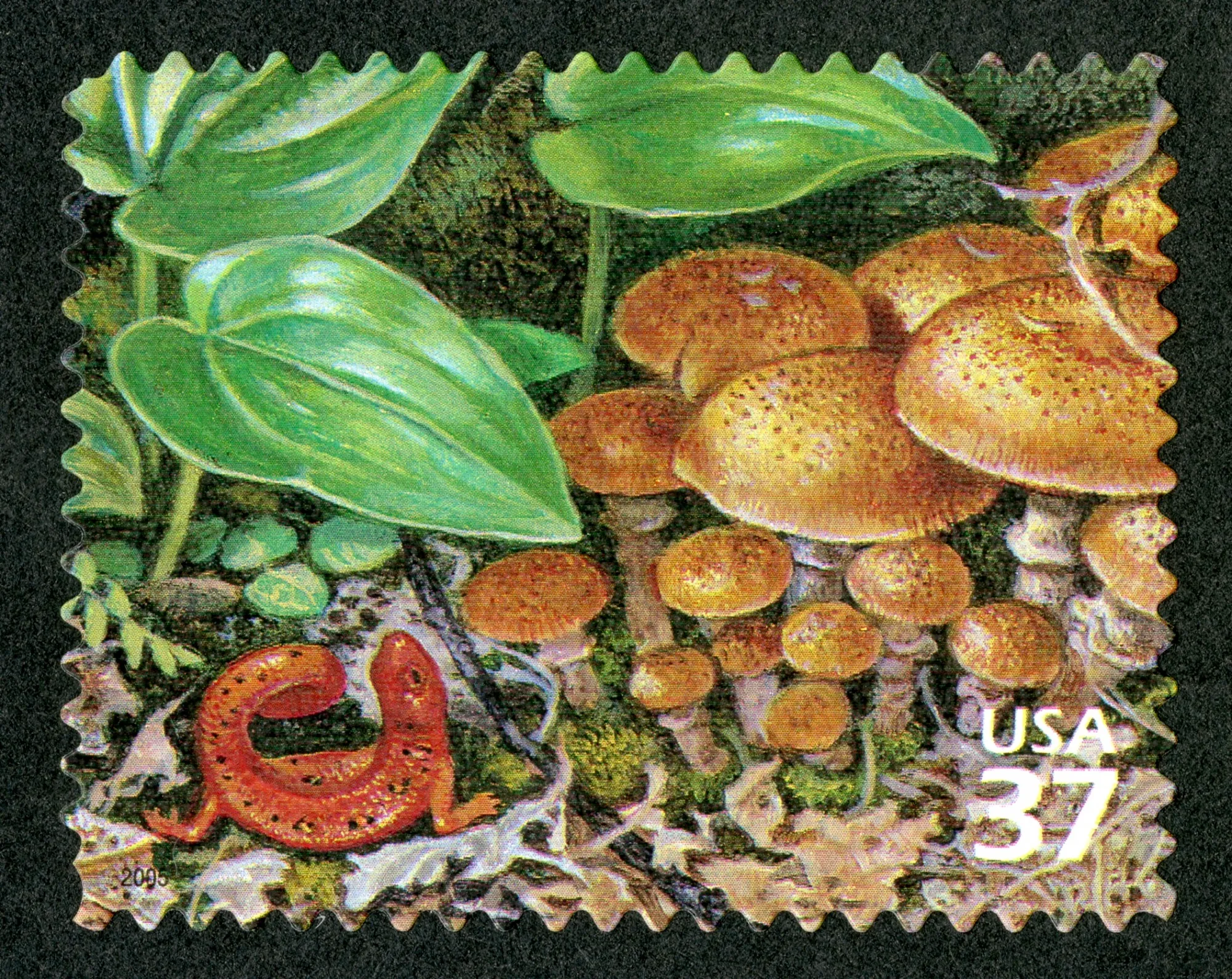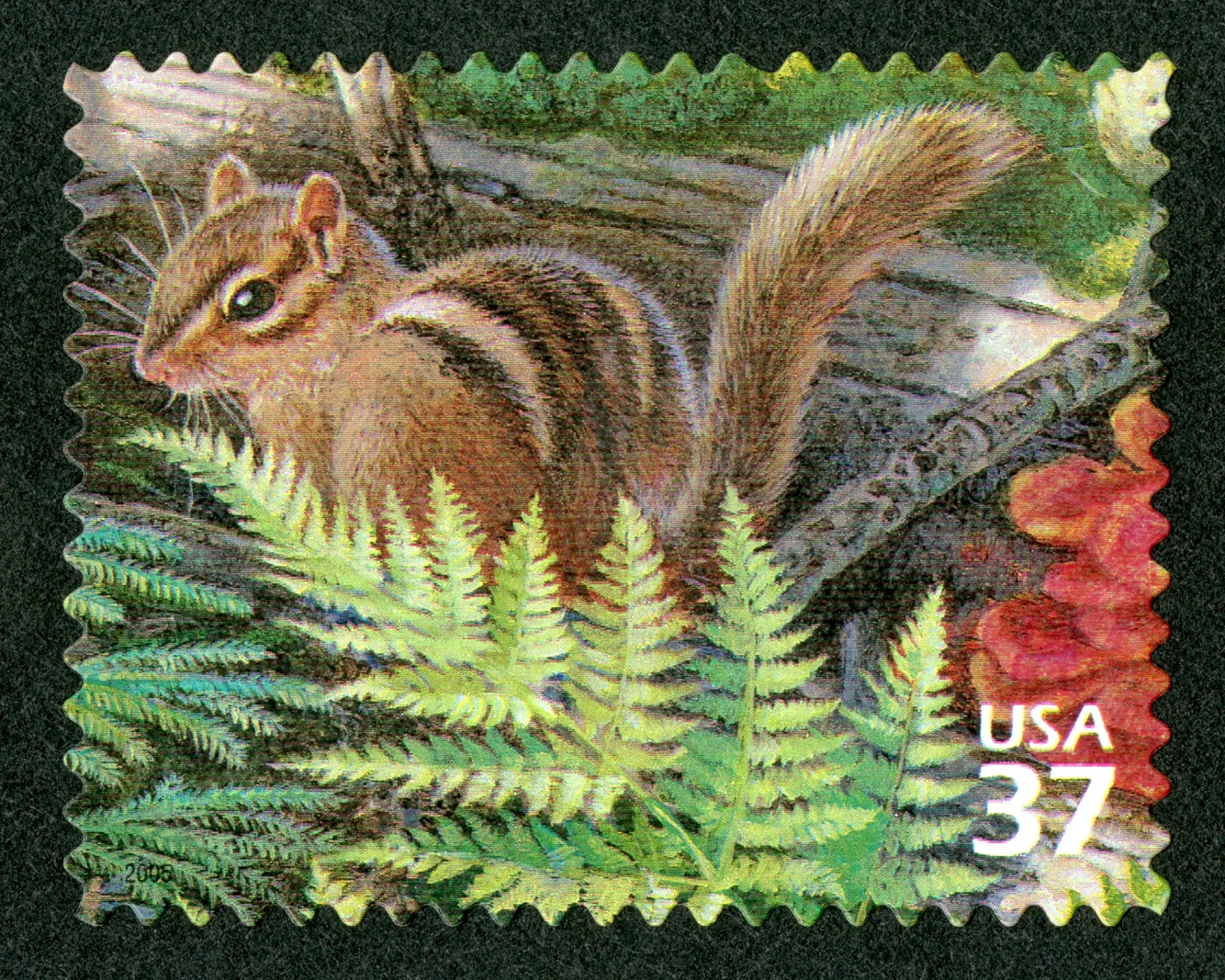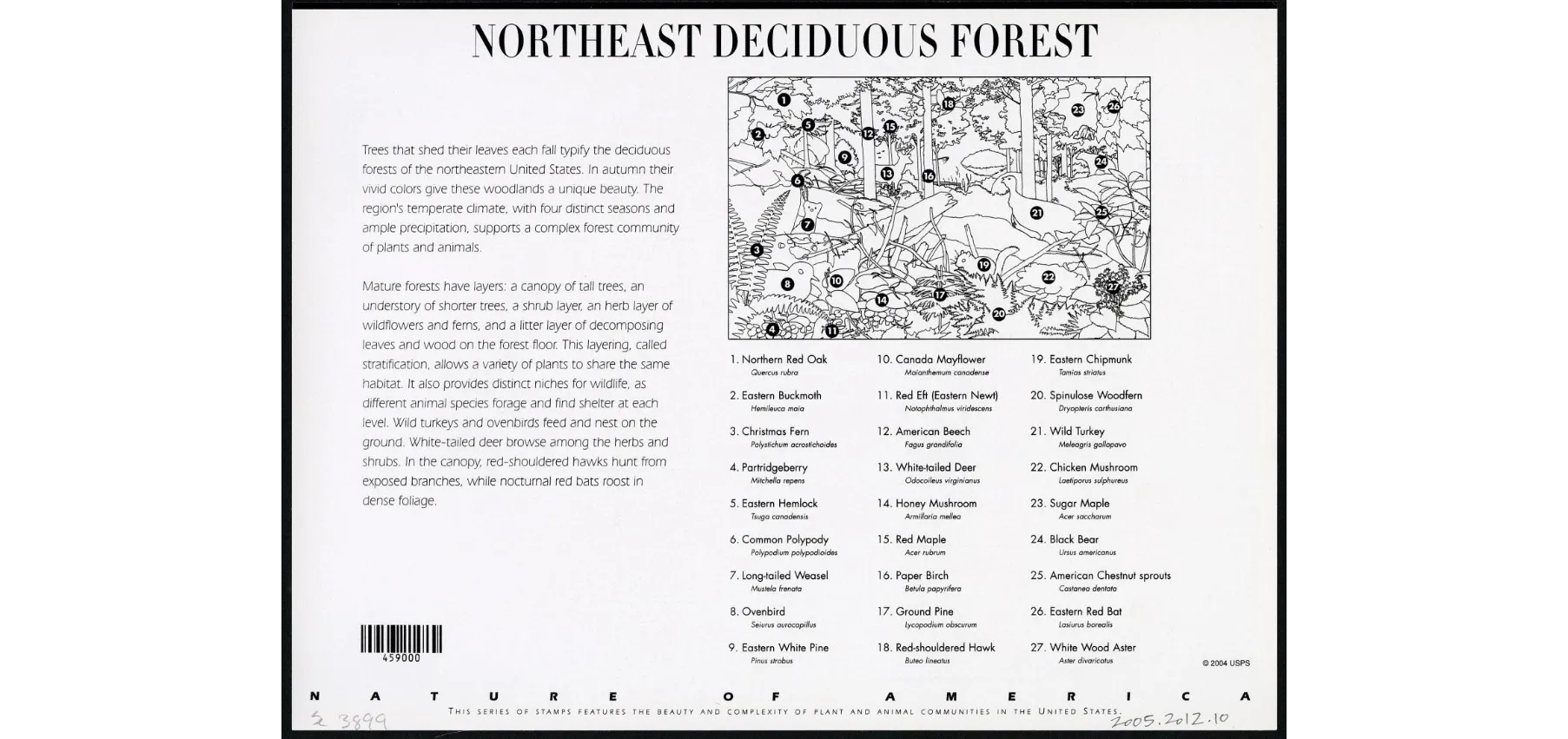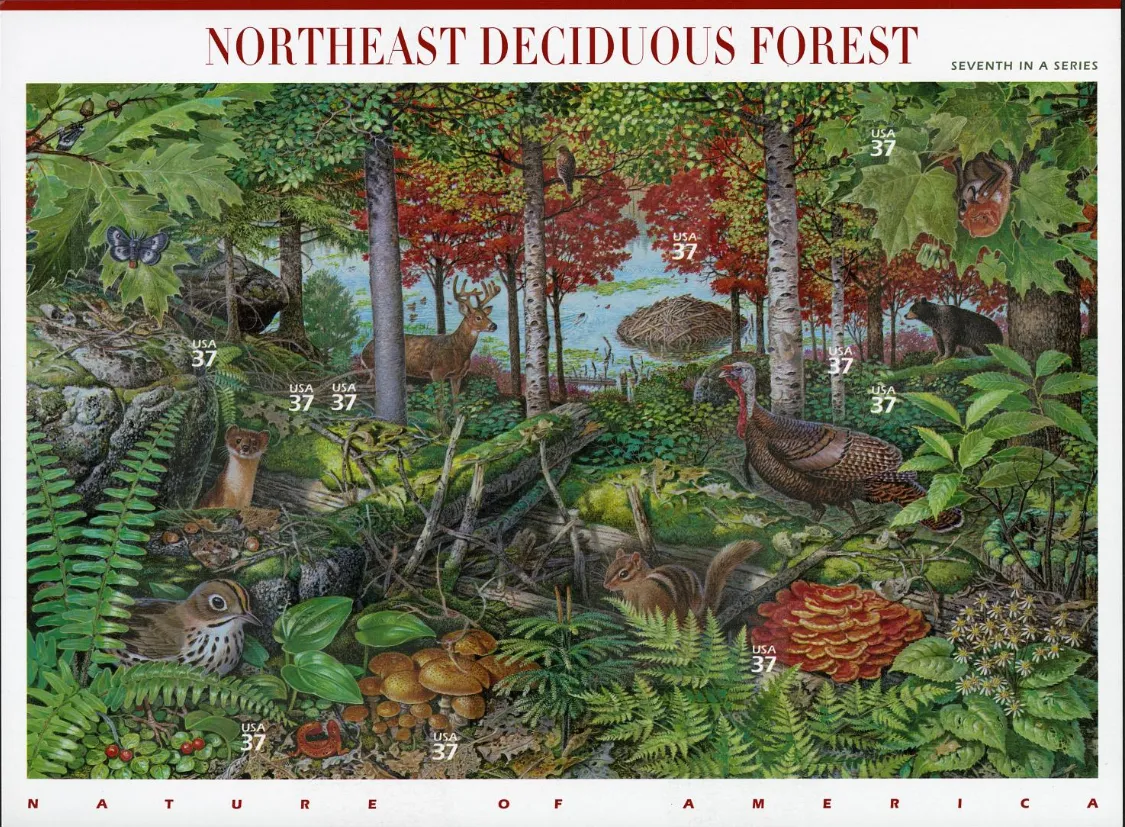
Trees that shed their leaves each fall typify the deciduous forests of the northeastern United States. In autumn their vivid colors give these woodlands a unique beauty. The region’s temperate climate, with four distinct seasons and ample precipitation, supports a complex forest community of plants and animals.
Mature forests have layers: a canopy of tall trees, an understory of shorter trees, a shrub layer, an herb layer of wildflowers and ferns, and a litter layer of decomposing leaves and wood on the forest floor. This layering, called stratification, allows a variety of plants to share the same habitat. It also provides distinct niches for wildlife, as different animal species forage and find shelter at each level. Wild turkeys and ovenbirds feed and nest on the ground. White-tailed deer browse among the herbs and shrubs. In the canopy, red-shouldered hawks hunt from exposed branches, while nocturnal red bats roost in dense foliage.